Exploring the Leading Misconceptions and Truths Surrounding Weight Loss for Better Outcomes
The landscape of weight loss is usually shadowed by misunderstandings. Lots of people hold on to preferred myths that can prevent their progress. For example, the belief that carbohydrates are inherently damaging or that avoiding dishes can accelerate results prevails. Comprehending the realities behind these myths is necessary for reliable weight monitoring. As one browses via these common misconceptions, a clearer photo of successful weight loss approaches begins to arise. What understandings wait for beyond these first false impressions?
Misconception 1: Carbs Are the Opponent
Although numerous diet regimens promote the concept that carbohydrates are the key wrongdoer behind weight gain, this viewpoint oversimplifies an intricate issue. Carbs are a critical macronutrient that provides power for daily tasks and physical features. Instead of categorizing all carbohydrates as dangerous, it is vital to compare simple and intricate carbs. Straightforward carbs, discovered in sweet treats and drinks, can lead to rapid spikes in blood glucose and add to weight gain when eaten exceedingly. On the other hand, complicated carbohydrates, such as whole grains, fruits, and veggies, offer important nutrients and fibers that sustain general wellness. The body requires a balanced consumption of macronutrients, and getting rid of carbs completely can bring about nutritional shortages. Sustainable weight administration involves small amounts and comprehending one's private dietary needs. As a result, mounting carbohydrates as the opponent neglects their potential advantages and misrepresents the complexities of weight loss.
Myth 2: Missing Dishes Helps With Weight Loss
Missing meals is frequently perceived as an efficient technique for weight loss, yet this approach can be disadvantageous. Several individuals think that by lowering their calorie consumption via dish noninclusion, they can lose extra pounds a lot more rapidly. Study indicates that missing dishes can lead to enhanced cravings and desires later on, typically resulting in overeating.Additionally, the body may get in a state of starvation, reducing down metabolic process to save power. This action can hinder weight loss efforts and cause nutrition shortages, negatively affecting total health.Moreover, regular dish skipping can interrupt hormonal balance, affecting appetite hormonal agents like ghrelin and leptin, which control cravings. People might find it challenging to keep lasting weight loss. Instead, a balanced strategy that consists of regular dishes and nutrient-dense foods is recommended for efficient weight monitoring and total wellness.
Myth 3: All Calories Are Developed Equal
While lots of people may presume that all calories add just as to weight gain or loss, this perspective overlooks necessary aspects such as nutrition top quality, metabolic results, and specific feedbacks to various foods. 100 calories from a nutrient-dense food like almonds will impact the body in different ways than 100 calories from a sweet snack. The previous offers helpful nutrients and advertises satiation, while the latter might bring about rapid blood sugar level spikes and raised hunger.Moreover, various foods can alter metabolic process. Protein-rich foods call for even more energy to absorb contrasted to fats or carbs, resulting in a greater thermal effect of food. In addition, individuals may respond variably to specific foods because of genetic variables, digestive tract microbiota, or personal health problems. Subsequently, the idea that all calories are equal streamlines weight loss, ignoring the complex interactions in between food types and individual physiology that ultimately influence weight management.
Misconception 4: You Can Identify Minimize Fat
The idea that can detect decrease fat-- dropping weight in particular areas of the body through targeted exercises-- remains a common mistaken belief. Many people presume that executing exercises targeting particular muscular tissue teams, such as crunches for the abdominal area or leg lifts for thighs, will cause fat loss in those locations. Weight Loss Service. Nevertheless, scientific research study indicates that weight loss takes place consistently across the body instead of in isolated regions.When one takes part in physical task, the body activates fat shops throughout, reacting to general calorie shortages as opposed to local exercises. Genes, body make-up, and hormone factors likewise play significant duties in determining where weight loss takes place. A complete technique that consists of a well balanced diet and regular cardio and strength training is necessary for effective weight management. Recognizing this fact can help people set practical expectations and concentrate on sustainable, total wellness renovations rather than quick fixes
Myth 5: Eating Fat Makes You Fat
Misconception 5 insists that consuming fat certainly causes weight gain. Nevertheless, comprehending the different kinds of dietary fats and their functions in weight monitoring reveals a much more nuanced point of view. Healthy fats can be helpful and may even assist in accomplishing Full Article a balanced diet and keeping a healthy weight.
Sorts Of Dietary Fats
Lots of people believe that taking in nutritional fats directly leads to weight gain, yet this false impression oversimplifies an intricate concern. Nutritional fats can be categorized into three primary types: saturated, unsaturated, and trans fats. Saturated fats, frequently discovered in animal products, can increase cholesterol degrees and ought to be eaten in small amounts - Weight Loss Service. Unsaturated fats, which include monounsaturated and polyunsaturated fats, are normally located in plant-based oils, nuts, and fish, and are considered beneficial for heart wellness. Trans fats, commonly discovered in processed foods, ought to be avoided due to their adverse health impacts. Comprehending these various kinds of fats is crucial for making informed nutritional selections, emphasizing that not all fats are equivalent in their effect on health and weight monitoring
Role in Weight Management
Consuming nutritional fats has long been connected with weight gain, this viewpoint ignores the subtleties of nourishment and metabolic rate. In reality, fats play a crucial role in satiety, aiding people really feel fuller longer, which can avoid over-eating. Healthy fats, such as those found in avocados, nuts, and olive oil, can support metabolic wellness and also help in weight management when consumed in small amounts. Additionally, the body calls for fats for essential features, including hormonal agent manufacturing and nutrient absorption. Misconstruing the duty of nutritional fat can lead to unhealthy consuming patterns that focus on low-fat alternatives, typically high in sugars and improved carbohydrates. Integrating healthy and balanced fats right into a well balanced diet plan is necessary for reliable weight administration and general wellness.
Misconception 6: Supplements Are Crucial for Weight Loss
The belief that supplements are important for weight loss is a typical misconception. Focusing on healthy foods and evidence-based strategies can result in even more sustainable and efficient outcomes. Counting entirely on supplements may forget the relevance of a well balanced diet and healthy way of living options.
Natural Foods First
While some people believe that weight loss supplements are important for shedding extra pounds, evidence recommends that focusing on all-natural foods is even more efficient. Healthy foods, such as fruits, vegetables, whole grains, and lean healthy proteins, supply important nutrients that sustain a healthy metabolism and advertise satiation. These foods are usually low in calories yet high in fiber, making them helpful for weight management. Additionally, they often consist of less ingredients and preservatives contrasted to refined alternatives. By concentrating on whole foods, people can foster lasting eating habits, which add to long-term weight loss success. Ultimately, incorporating healthy foods right into one's diet plan not just help in weight loss however additionally enhances general wellness and wellness.
Evidence-Based Approaches
Numerous people mistakenly believe that weight loss supplements are crucial for achieving their objectives, yet research study shows that a more efficient technique relies upon evidence-based methods that emphasize lifestyle adjustments. Studies continually reveal that sustainable weight loss is better achieved via well balanced nutrition, regular exercise, and behavioral modifications. These techniques promote lasting practices that check it out add to total health and wellness. While some supplements might supply short-lived aid, they commonly do not have the extensive advantages associated with an all-around strategy. In enhancement, dependence on supplements can bring about neglecting crucial nutritional and exercise practices. Inevitably, people seeking weight loss success need to concentrate on tested techniques that focus on healthy and balanced eating and active living as opposed to quick fixes, ensuring long lasting outcomes and enhanced health.
Misconception 7: Weight Loss Is All Regarding Willpower
Self-control is often heralded as the key to successful weight loss, this idea oversimplifies an intricate process influenced by numerous factors. The journey of weight loss encompasses biological, emotional, and environmental components that prolong past mere self-control. Elements such as genes, metabolic process, hormone discrepancies, and emotional wellness play significant duties in a person's capacity to lose weight.Moreover, exterior influences like stress, access to healthy and balanced foods, and social assistance can drastically influence one's success. A dependence solely on self-discipline can lead to frustration and feelings of failing when results are not instant or regular. Sustainable weight try this web-site loss commonly entails a complex strategy, integrating balanced nourishment, normal physical activity, and behavior changes. Identifying that determination alone is not enough permits people to take on much more reliable techniques, inevitably cultivating a healthier connection with food and body image.
Regularly Asked Questions
Just How Do Genes Effect Weight Loss Success?
Genes considerably affect weight loss success by influencing metabolic rate, fat distribution, and hunger guideline. Individual genetic tendencies can create differing actions to diet and exercise, making weight loss less complicated for some and a lot more tough for others.
Is It Feasible to Drop Weight Without Exercising?

What Function Does Sleep Play in Weight Loss?
Sleep considerably affects weight loss by managing hormonal agents that control appetite and metabolic process. Inadequate rest might cause enhanced food cravings and reduced power expense, making it much more difficult for individuals to attain their weight loss goals properly.
How Can Tension Affect Weight Monitoring?
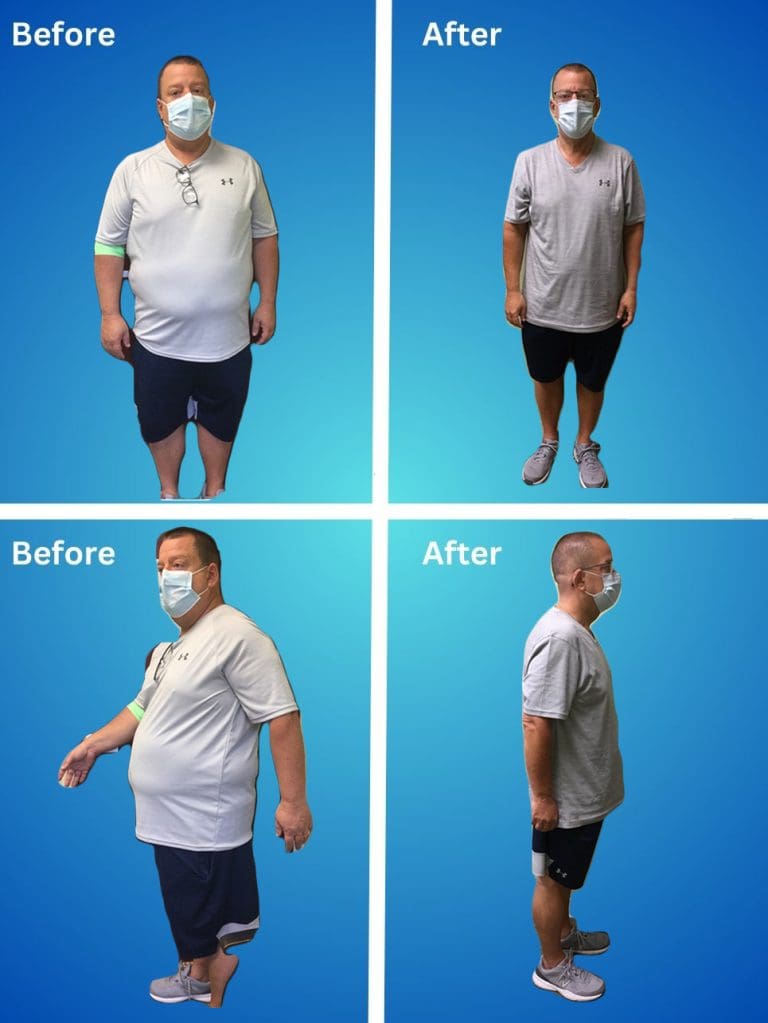
Anxiety can substantially impact weight management by activating hormone changes that enhance appetite and cravings for unhealthy foods - Weight Loss Service. Additionally, it may bring about psychological eating, leading to weight gain and obstacles in keeping a healthy and balanced lifestyle
Exist Any Type Of Health Dangers to Quick Weight Loss?
Fast weight loss can posture a number of health dangers, including vitamins and mineral deficiencies, loss of muscular tissue mass, gallstones, tiredness, and electrolyte inequalities. It is vital to approach weight loss slowly and with proper clinical advice to assure security.